












Hello, your privacy is important to us. Uniview websites use cookies to store info on your device and create the most secure and effective website . By continuing to use our websites, please accept the cookies could be stored on your device, which outlined our cookie policy and privacy policy .






_1036463_651984_0.png)






 X
X
 GLOBAL / ENGLISH


Night security is not only about keeping cameras on after closing hours. The harder part is knowing which event deserves attention, which alert can be ignored, and whether the recorded image is clear enough for the next action. Many sites have limited staff at night. Warehouses, retail entrances, loading bays, parking lots, schools, and residential compounds all need reliable video security, but few teams can watch every screen for eight or twelve hours.
Motion sensor CCTV cameras help reduce that pressure. Instead of treating every frame as equally important, they respond when movement appears in a defined area. When paired with intelligent intrusion rules, low light imaging, local recording, and active warning, these cameras can support a more practical night security workflow. The result is not zero human involvement. It is fewer wasted checks, faster response, and better evidence when something real happens.
A night security system has to solve several problems at the same time. It must detect movement, reduce false alerts, show useful color and detail, record the event, and alert the right person. If one part fails, the whole system becomes less useful.
After business hours, most sites become quieter but not risk free. A warehouse gate, a back corridor, a side entrance, or a parking lane may stay empty for long periods. Traditional cameras can record these areas, but staff still need to search through long video files later.
Motion sensor CCTV cameras help by turning long quiet hours into event based records. When movement occurs in a selected area, the camera can trigger recording and alerts. For small teams, this is a big difference. You are no longer depending on continuous screen watching. You are working from event points.
Basic motion detection often reacts to too many things: rain, insects near the lens, tree movement, bright headlights, or shadows. After enough false alerts, people stop trusting the system. That is a common issue in real projects, and it usually shows up after installation, not during product selection.
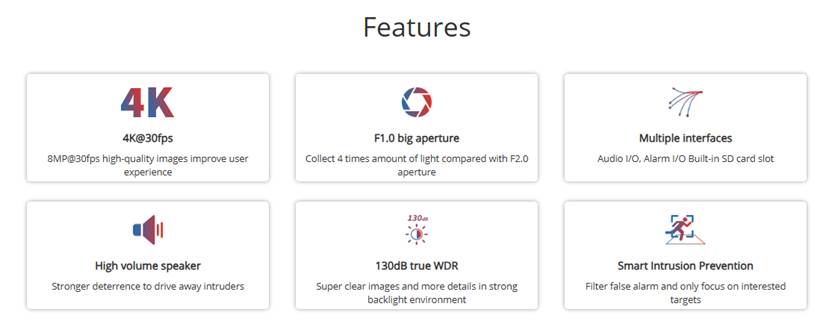
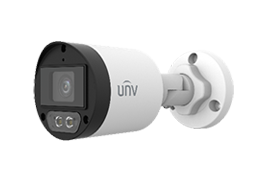
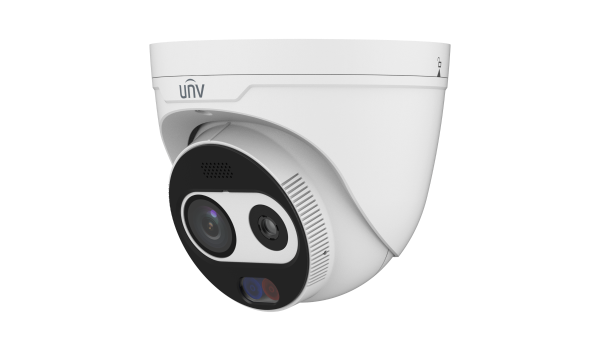
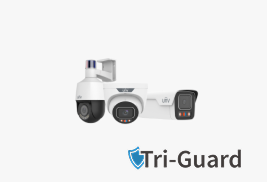
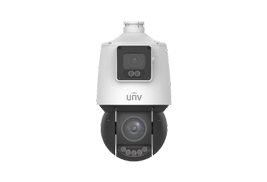
A stronger system should separate routine movement from relevant movement. Tri-Guard 2.0 combines Smart Intrusion Prevention, ColorHunter, and Active Deterrence in one IP camera platform. It is designed to filter false alarms and focus on targets that matter, while also adding red and blue warning lights and a 3W speaker for on-site warning.
Recording alone is not enough for night security. If a person enters a restricted area at 2 a.m. and the video is checked the next morning, the system only supports review. A better workflow needs alert, verification, and response while the event is still active.
Motion sensor CCTV cameras support this by linking detection rules with alerts, lighting, audio warning, and recording. This makes the camera more than a passive device. It becomes part of the response process.
Accurate event detection is the main reason motion sensor CCTV cameras can reduce constant monitoring. The camera does not remove the need for people, but it helps people focus on fewer, clearer signals.
Modern motion based cameras can classify targets by type, such as people, vehicles, and non-motor vehicles. This helps reduce alerts from small background movement. In practice, this is useful for entrances, fences, parking zones, shopfronts, and outdoor walkways.
The benefit is simple. If a branch manager receives ten alerts each night instead of one hundred, there is a better chance the real event gets checked quickly.
Motion detection becomes more useful when it is linked to a rule. Cross line detection can be used for a gate or fence line. Intrusion detection can be used for a restricted area. Enter area and leave area detection can help in loading zones, storage corners, or equipment rooms.
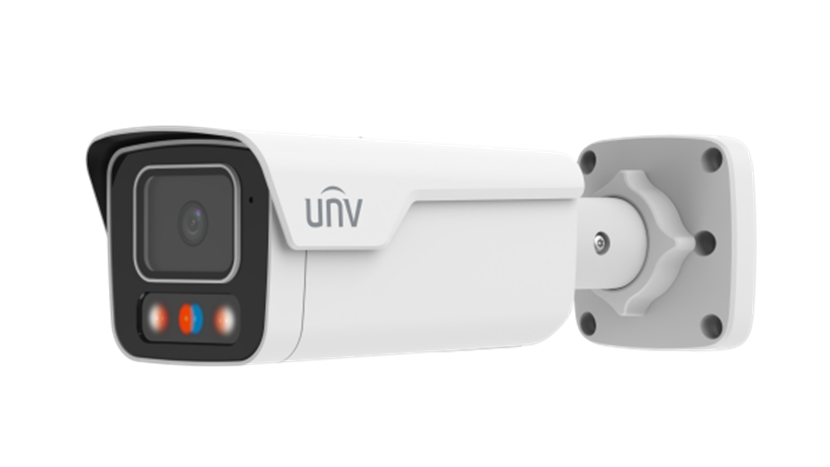
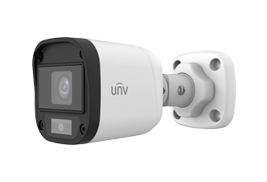
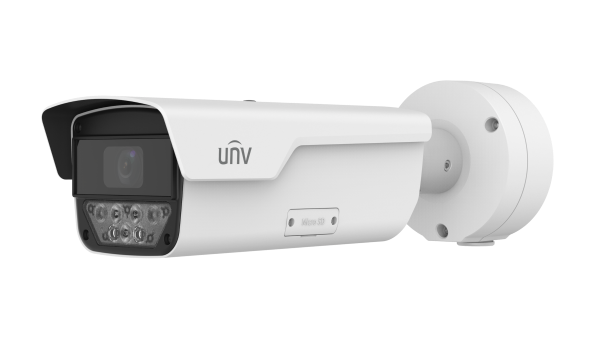
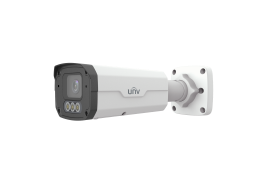
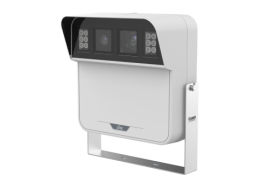
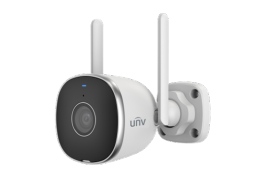
The IPC2B14SS-ADF28(40)KMC-I1 is a 4MP Tri-Guard fixed dual light bullet network camera. Its intelligent perimeter protection includes cross line, intrusion, enter area, and leave area detection. It also supports red and blue warning light, built in mic and speaker, Smart IR up to 40 m, MicroSD up to 512 GB, and IP67 protection.
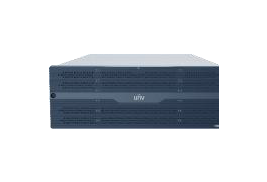
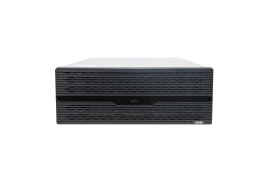
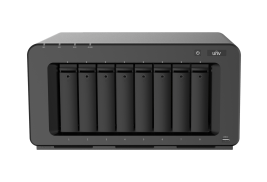
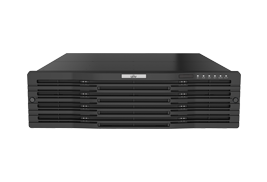
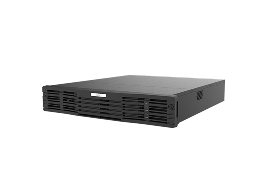
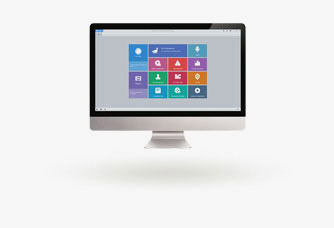
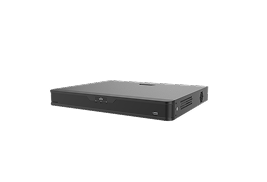
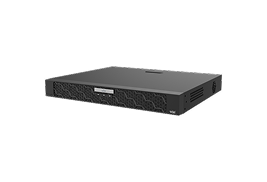
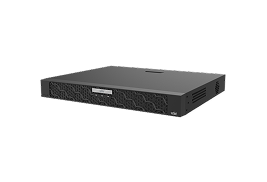
A useful night security system should also make later review easier. Event based recording helps shorten search time, especially when used with NVR storage and video management software. The attachment notes that IP cameras are commonly used with NVRs, can be operated through a mobile app, and can store video on the NVR. That matters for projects where the person checking alerts is not always in the same building.
Camera or Technology | Real Product Data | Best Fit |
IPC2B14SS-ADF28(40)KMC-I1 | 4MP, 1/2.7" CMOS, 130 dB WDR, dual light, 40 m IR and warm light, IP67 | Fixed entrances, fences, corridors, back doors |
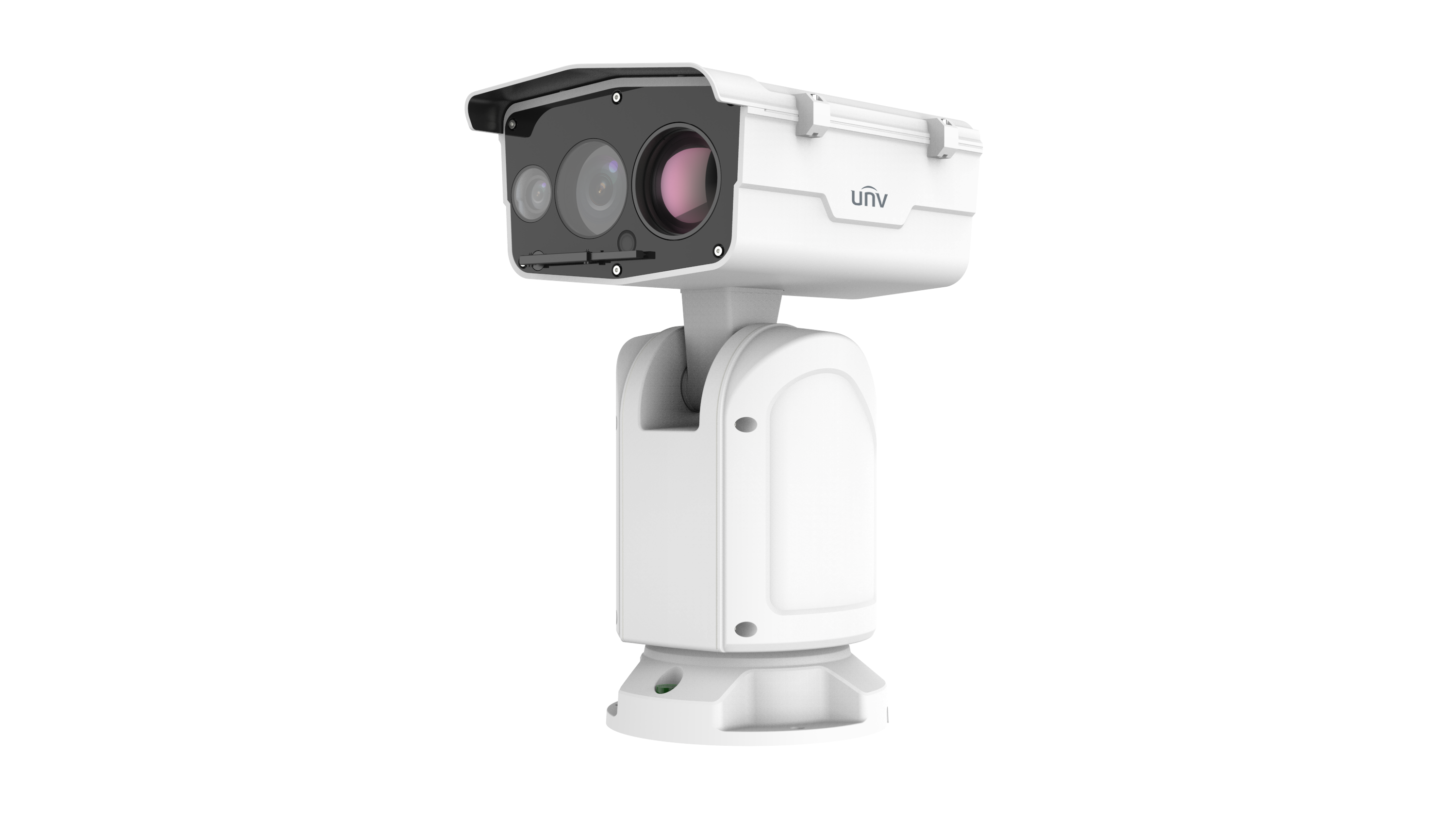
IPC6324LWH-AX5C-VG2 | 4MP, 1/1.8" CMOS, 5X optical zoom, 120 dB WDR, 40 m warm light, IP66 | Parking lots, yards, wider outdoor areas |
Tri-Guard 2.0 | Smart Intrusion Prevention, ColorHunter, Active Deterrence, red and blue warning lights, 3W speaker | Active warning and night event response |
A motion alert is only useful when the image gives clear context. At night, many systems fail because the image is too dark, too bright in the wrong place, or missing color detail. This is where night imaging becomes a buying concern, not just a specification line.
Low light color detail helps you read the event faster. Clothing color, vehicle color, direction of movement, and object shape can all affect the next step. Wise-ISP, described in the attachment as a fifth generation night view technology, is used in OwlView products to deliver full color images in ultra low light environments with less reliance on visible LED lighting.
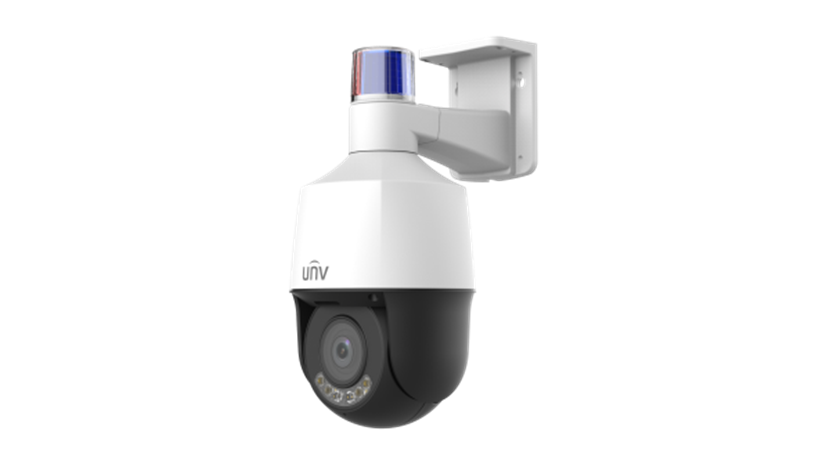
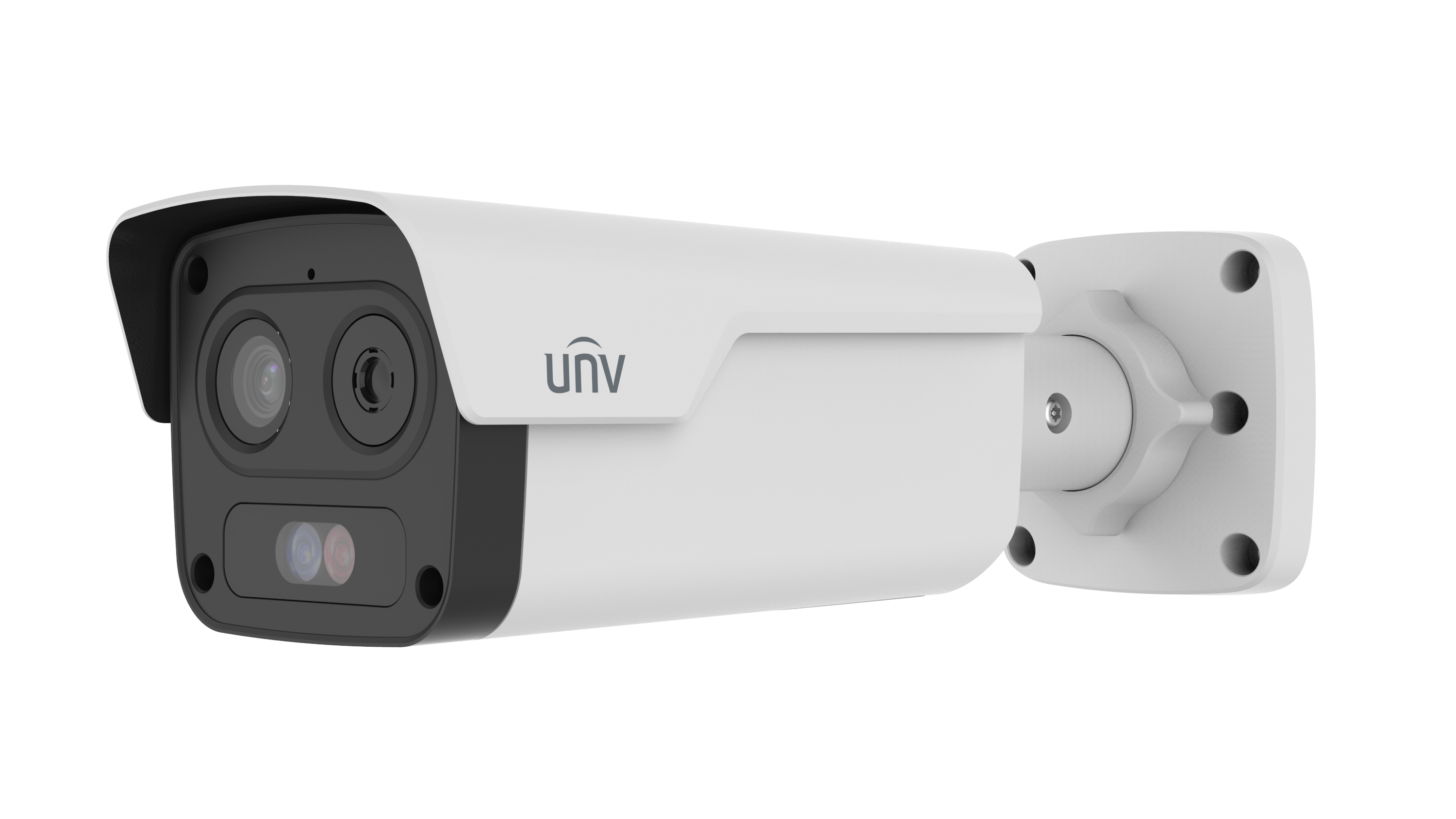
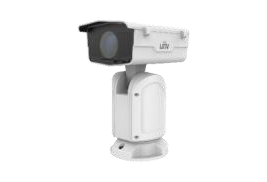
For wider night coverage, IPC6324LWH-AX5C-VG2 supports ColorHunter with Wise-ISP technology. Its official product data lists a 4MP 1/1.8" CMOS sensor, 5X optical zoom, 2688 × 1520 at 30 fps in the main stream, and 40 m warm light distance. This makes it more suitable when one fixed view is not enough.
Night scenes often include strong contrast. Headlights, glass doors, bright signs, and interior lighting can make one part of the image too bright while another part stays dark. Wide Dynamic Range helps balance these areas.
For fixed points, IPC2B14SS-ADF28(40)KMC-I1 supports 130 dB true WDR. For PTZ use, IPC6324LWH-AX5C-VG2 supports up to 120 dB WDR. These numbers are useful for entrances, parking lanes, delivery doors, and retail storefronts where light changes quickly.
Infrared light is often preferred when you want lower visual disturbance. Warm light can help when color detail is needed. Dual light cameras give more flexibility because the system can use different light modes for different conditions.
Tri-Guard 2.0 also supports different deterrence modes, including dual light mode, IR mode, and warm light mode. This helps a site avoid unnecessary lighting when nothing happens, while still giving stronger visual and audio warning when an event triggers a rule.
Product selection should start from the site layout. A narrow gate, a long corridor, a large parking yard, and a warehouse perimeter do not need the same camera type. A good plan uses fixed cameras where views are stable and PTZ cameras where coverage needs change.
For doors, walls, fences, and defined lanes, a fixed bullet camera is often the cleanest choice. It is easier to aim, easier to maintain, and better for repeatable event rules. The IPC2B14SS-ADF28(40)KMC-I1 fits this role because it combines 4MP image quality, dual light, intelligent perimeter protection, built in audio, red and blue warning light, and IP67 protection.
This type of camera is a good match when you already know where movement should not happen after closing hours.
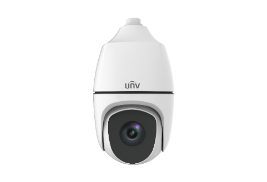
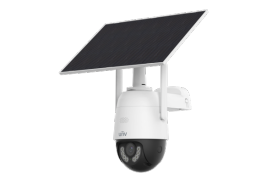
For wider outdoor spaces, a PTZ camera gives more flexibility. Parking areas, open yards, loading zones, and campus roads often need wider viewing and closer inspection. The 5X optical zoom of IPC6324LWH-AX5C-VG2 helps cover these areas without placing a fixed camera at every angle.
Its smart intrusion prevention supports false alarm filtering, cross line detection, and intrusion detection. The built in mic and speaker also support event handling, which is useful when the site has limited night staff.
For retail chains, logistics warehouses, schools, hotels, and residential projects, one site is rarely the whole story. You may need branch level viewing, central review, easy playback, and simple maintenance. The attachment includes successful cases where complete systems used IP cameras, NVRs, VMS, display products, mobile access, and centralized management across many channels.
This is where a camera should not be selected alone. It should fit the recorder, software, network, display, and service workflow.
A strong night security setup is not only a camera list. It is a daily workflow. The system should help staff know when to check an alert, what to check first, and where the video record is stored.
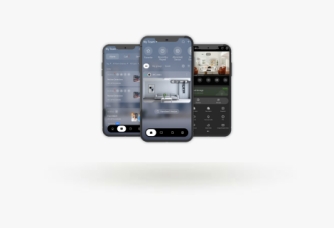
Mobile access matters for stores and small sites where no one stays in a dedicated room all night. The attachment notes that IP cameras can work with NVRs, a mobile app, and NVR storage. For business users, this means alerts and playback can be checked more directly.
A practical rule is to keep alerts specific. Do not set the whole frame as the detection area unless needed. Mark the gate, door, fence, or restricted zone. This lowers noise and makes each alert easier to trust.
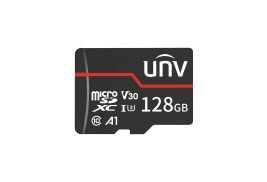
Local recording still matters. Internet connections fail. Remote access may be delayed. A camera with MicroSD support can help at the edge, while NVR storage gives longer retention and easier management.
The two recommended cameras both support MicroSD up to 512 GB. In larger projects, NVR and VMS should be part of the design, especially when long retention, multi-channel playback, or central search is needed.
A system that is hard to maintain will slowly become less reliable. Field teams need clear configuration, quick testing, and direct support. For channels and integrators, the Unlimited New View Partner Program provides dealer and solution partner paths, training, project support, and service resources.
Small detail, but it matters: simple operation often decides whether branch staff keep using the system properly after installation.
At this stage of selection, the key question is not only which camera has the right specification. You also need product range, project support, delivery ability, and practical solutions for different industries.
Unlimited New View provides video security, storage and network, VMS, display and control, smart access, IT products, and energy storage product lines. The attachment notes that the company has 2 R&D institutes and 6 R&D centers in China, invests 10% of annual revenue in R&D, and has 50% of employees in R&D departments.
The technology section shows why this matters for night security. Motion sensor CCTV cameras need more than a sensor. They need imaging, detection, encoding, storage, warning, and software working together.
Capability Data from Knowledge Base | Number |
Countries and Regions Covered | 200+ |
Overseas Branch Offices | 21 |
Countries with Human Resource Localization | 70+ |
Global Partners | 20,000+ |
Manufacturing Bases in China | 70,000 m² |
Annual Unit Capacity in China | 20 million units |
Vietnam Factory Capacity | 1 million units per year |
Global Warehouses | 5 |
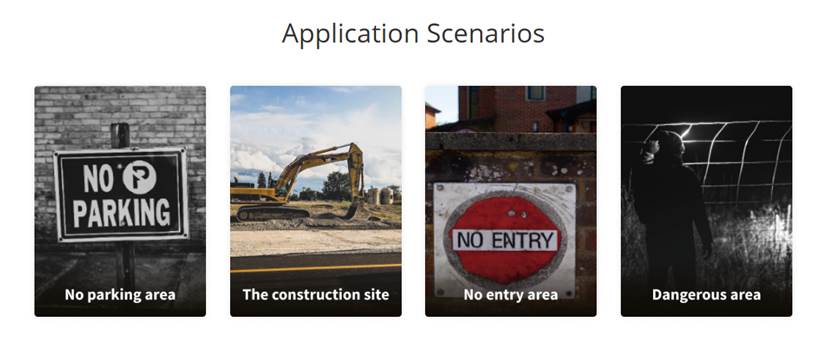
Different sites have different night problems. A warehouse cares about loading areas and perimeters. A retail site needs entrances, cashier areas, storage rooms, and mobile access. A school needs corridors, gates, and outdoor activity areas. A parking lot needs entrances, lanes, and low light coverage.
The Solutions by Industry page is useful when you want to match camera choice with business type. The knowledge base also lists successful projects across industrial parks, commercial buildings, residential sites, ground transportation, schools, warehouses, hotels, shopping malls, and retail chains.
The company profile presents Unlimited New View as a global provider of AIoT products and solutions, with localized service resources in multiple regions. The partner attachment adds more practical details: pre-sale requirement analysis, solution design, product selection, configuration guide, remote debugging, on-site technical support, 24/5 service hotline, warranty support, and firmware or software upgrades.
For night security projects, this support can be as important as the camera. The right product needs the right placement, the right rules, and the right recording plan.
Q1: How Do Motion Sensor CCTV Cameras Reduce Night Security Workload?
A: They turn long hours of empty video into event based alerts. Instead of checking every channel all night, you can focus on selected movement in gates, corridors, storage areas, parking lanes, and perimeters.
Q2: Are Motion Sensor CCTV Cameras Reliable in Rain, Fog, or Low Light?
A: Reliability depends on the camera and setup. Tri-Guard 2.0 uses red and blue warning lights for better visibility in low visibility weather, while Wise-ISP and ColorHunter help improve color detail in low light scenes.
Q3: Can Motion Sensor CCTV Cameras Replace Night Staff Completely?
A: They should not be viewed as a complete replacement for all staff. Their real value is reducing routine screen watching, lowering false alerts, recording useful evidence, and helping staff respond faster when a real event occurs.